A 10-Day China Itinerary That Survives Real Travel Days, Not Just Sightseeing Lists
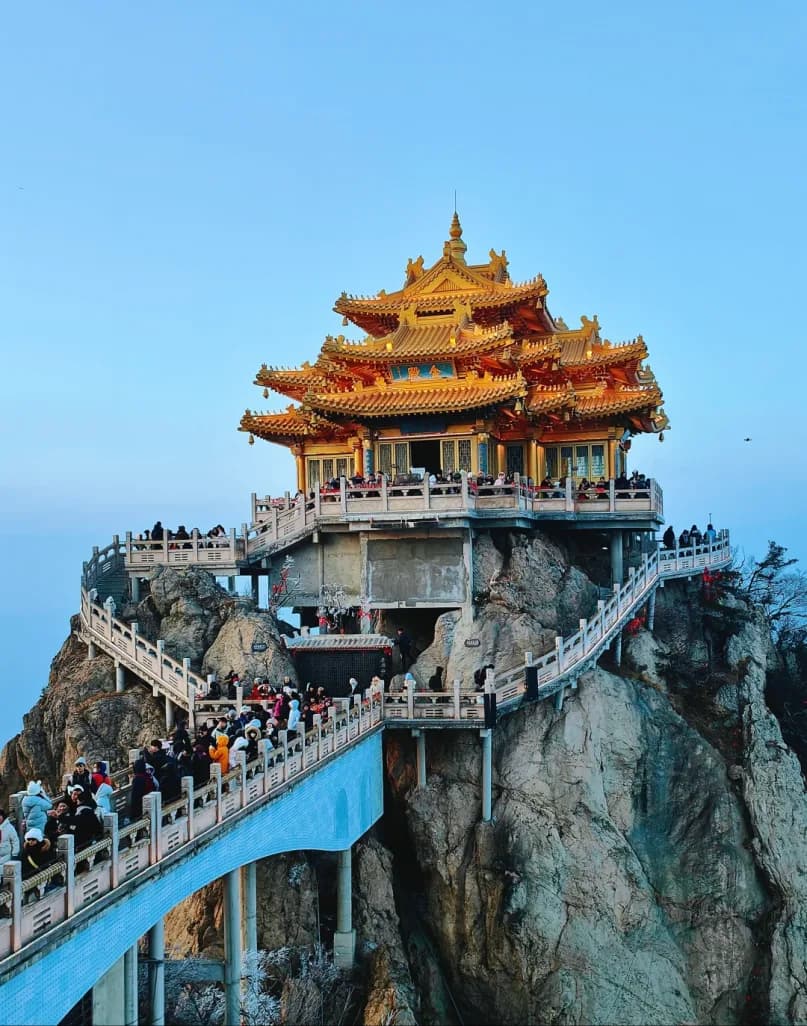
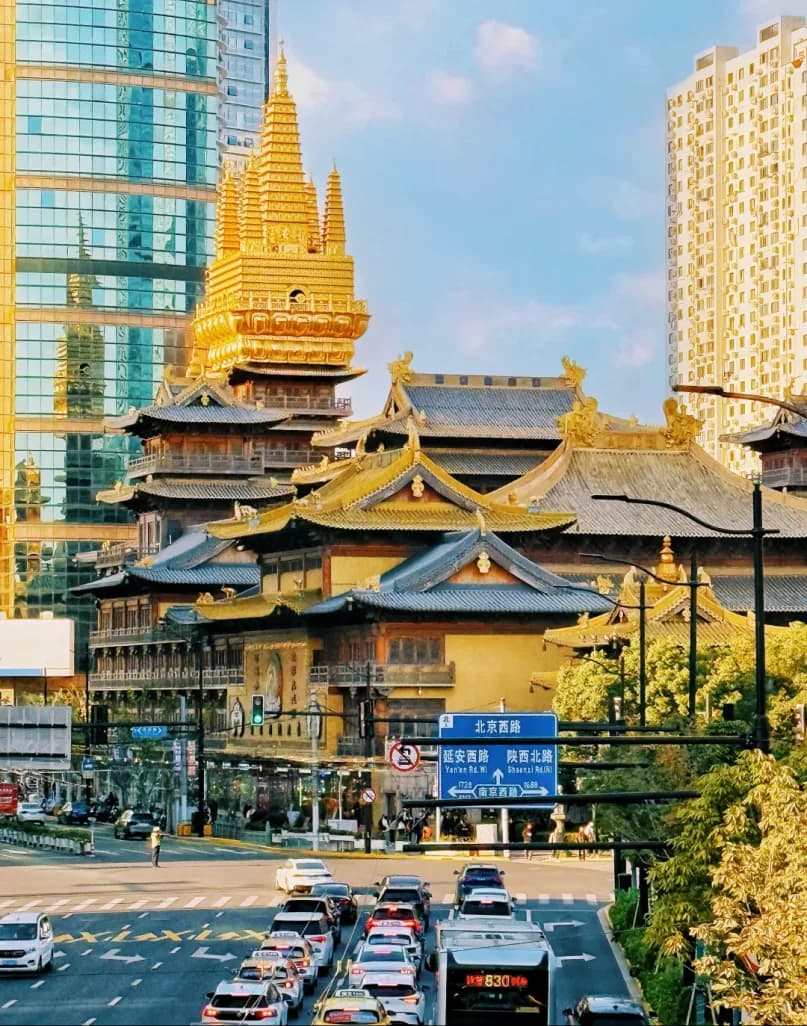
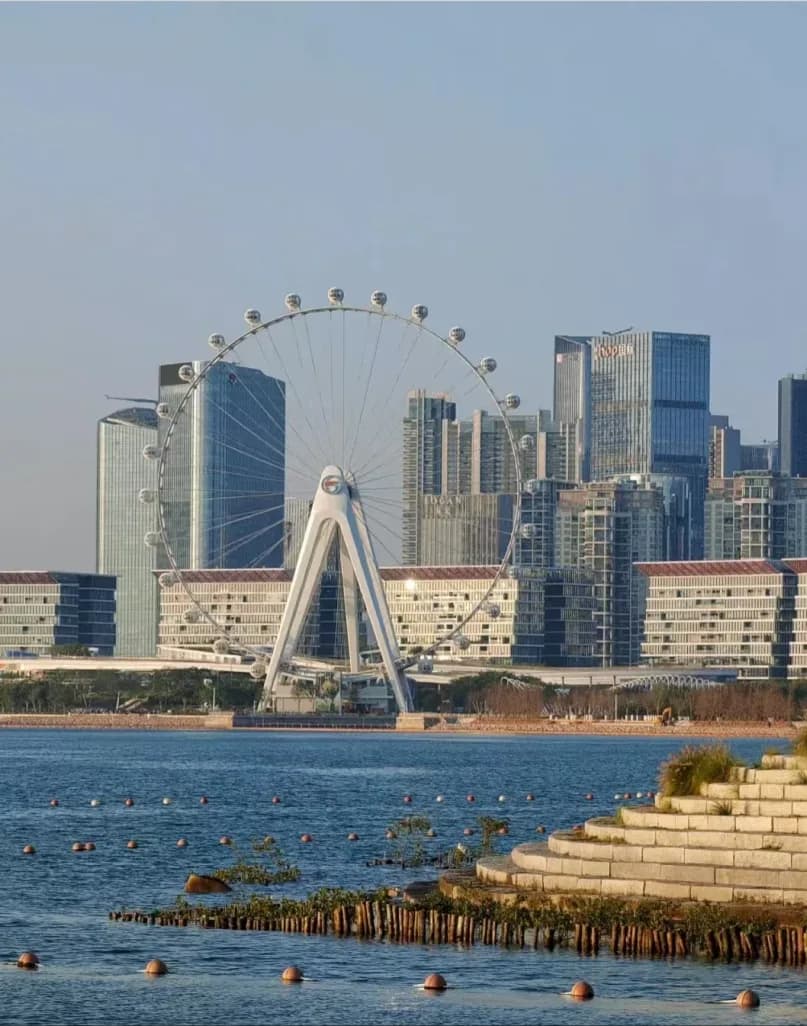
The same three-city loop appears in every ten-day China itinerary search result. China is closer to a continent than a country on a map—ten days cannot do it all, and that is fine. China is closer to a continent than a country on a map—ten days cannot do it all, and that is fine. This page is about how to use ten days: stay put and go deep in one or two places, or move between a small number of hubs and accept that travel days are real days. It is not a mandatory Beijing–Xi'an–Shanghai script, and it is not a product brochure. Sample day rhythms below link to editable itineraries when you want a concrete starting point. Broader planning lives in how to plan a trip to China. Rail feel and ticket mechanics stay on the train pages once you already have a city list.
What Ten Days Can and Cannot Do
Ten days works when you pick a goal: understand one region, or touch two or three cities with honest transfer time—not when you try to collect every famous pin.
- Can: one city plus a nearby day trip; two cities with two or three full sightseeing days each; one province line with minimal hotel swaps.
- Cannot: north, southwest plateau, and coast comprehensively; multiple long-haul domestic flights without losing whole days; theme-park depth plus world-heritage depth in the same week.
First-time visitors often assume they must see classic China in one go. Many return trips are better spent doing Chengdu and its surrounds properly, or Guilin and Yangshuo slowly, or Shanghai with a water-town day—none of which requires copying a corridor you saw on a blog.
Two Ways to Use Ten Days
Go deep: one or two bases
Pick a city or small cluster and repeat mornings in neighborhoods instead of packing new provinces. Examples that fit ten days without daily checkout:
- Beijing only: wall day, palace day, hutong and temple blocks—see best time to visit Beijing for season and holiday pacing.
- Chengdu hub: pandas, city food, optional Dujiangyan—Chengdu 3D2N shows one rhythm, not the only rhythm.
- Guilin–Yangshuo: karst river and village days with one hotel move.
- Shanghai plus one: Bund, museums, and either a water town or Hangzhou day—without adding a third province.
This is the slow enough to enjoy model: fewer stamps, more meals in the same district, room for a lazy afternoon.


Move lightly: a short corridor
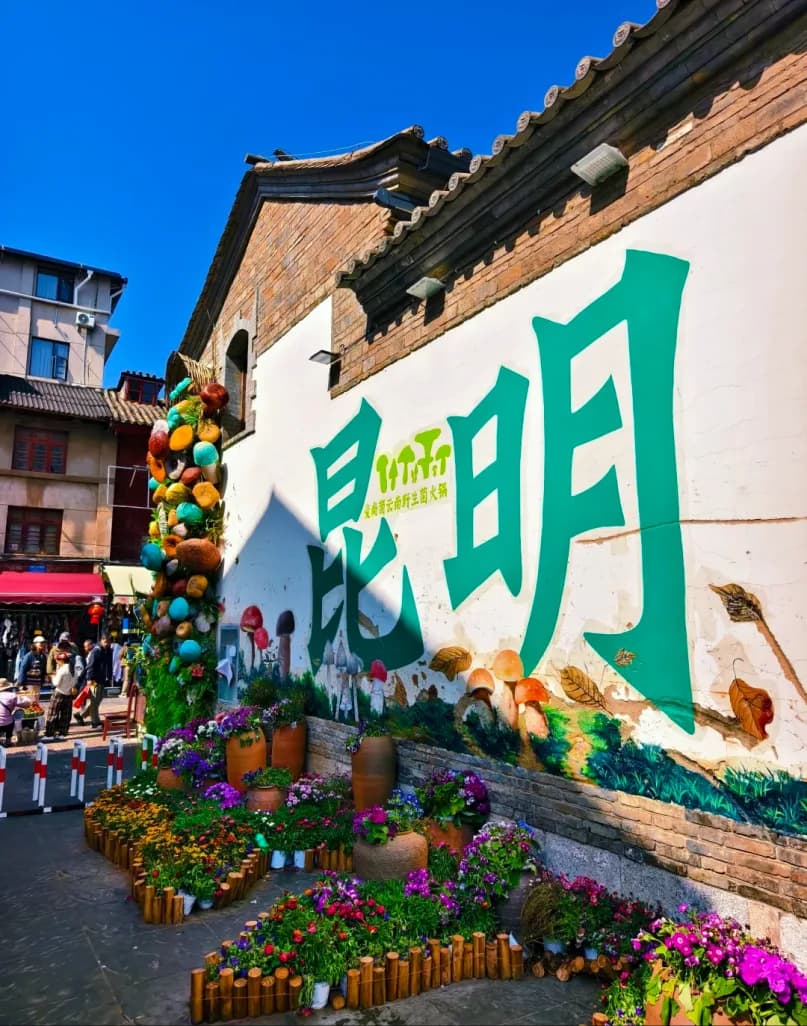
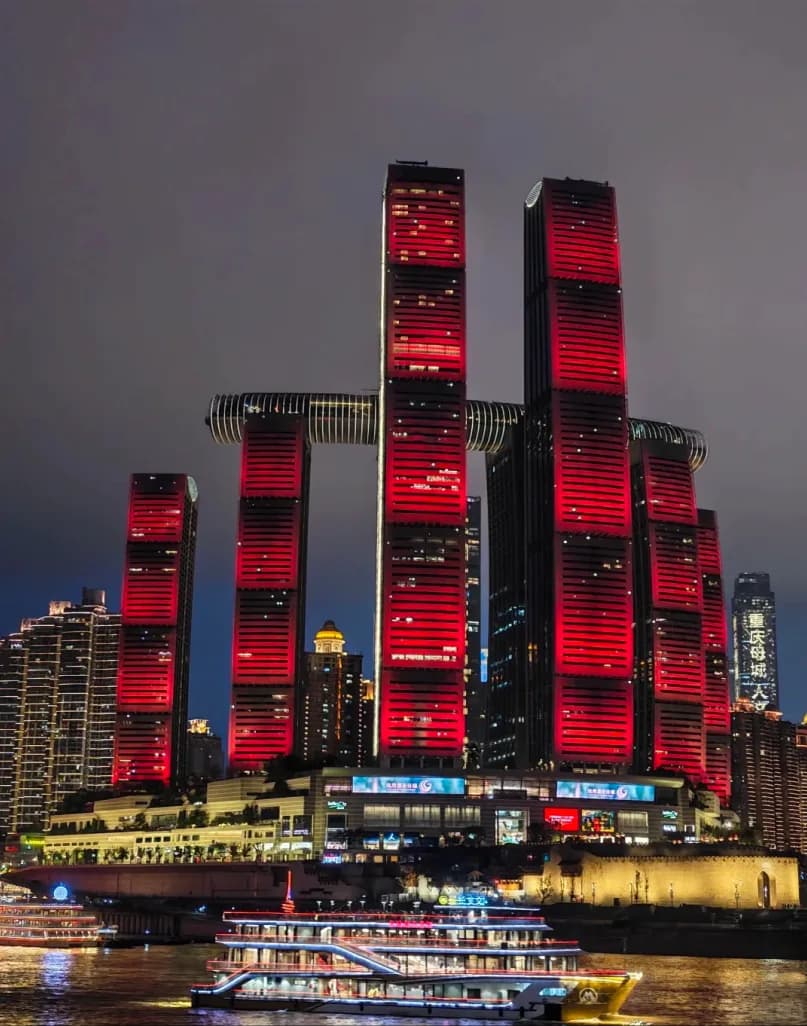
If you want variety, cap the city count and count every intercity leg as a calendar day. A classic first-trip corridor—Beijing, Xi'an, Shanghai—is one illustration, not a rule. The same logic applies to other pairs or trios you care about: Chongqing and Zhangjiajie, Shanghai and Huangshan, Kunming entry into Yunnan—always with the same question: where does the travel day go?
Corridor trips fail when day four is still on a train and day five is booked solid. If that sounds like your last vacation, drop a city and add a buffer.
Sample Sketches (Starting Points, Not Orders)
When you want editable bones—not a prescription—these product-aligned sketches show how we think about day blocks for private ground. Swap cities freely; the point is one heavy anchor per day and no wall-plus-palace stacks.
- Beijing module (~3 nights): arrival buffer; wall morning; palace or Summer Palace on its own day—Beijing 3D2N.
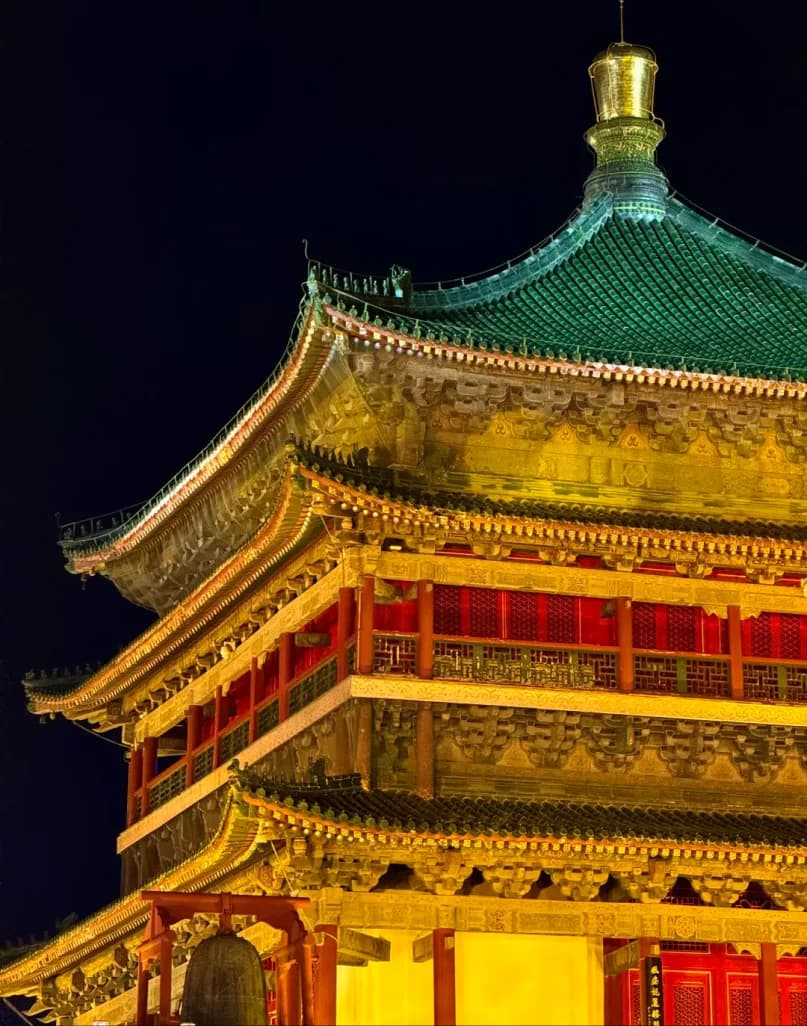
- Xi'an module (~3–4 nights): Terracotta Warriors half-day; wall or quarter on another—Xi'an 4D3N.
- Yunnan line (~10 nights, one region): Kunming, Dali, Lijiang with altitude-aware spacing—Yunnan 10D9N.
Harbin in winter, Sanya for warmth, Guilin for landscape, Chengdu for food and pandas—ten days can live entirely in any one of those stories. The sketches exist so you can see pacing density, not so you must buy that exact string.


Travel Days Count in the Calendar
Intercity moves eat time whether you rail or fly:
- High-speed rail between major hubs often means station transfers, security, and a half-day or more door to door—comfort details in the train guide.
- Domestic flights can win on some diagonals but rarely beat rail on total hours once airports are honest.
- Who books: DIY works if passport names match everywhere; private ground for your party can hold rail seats and align guides once your city list and dates are fixed.
Rule of thumb: two intercity legs in ten days is already busy; three is a corridor trip, not a relaxed trip.
When the Map Gets Too Ambitious
Trim in this order:
- An extra city or province before you cut sleep.
- A second "must-see" that duplicates the first (two wall sections, two similar old towns).
- Optional shopping or show nights before you cut a flex half-day.
Stopping at two well-chosen places beats finishing exhausted with a blurry photo album. Multi-city China travels goes deeper on transfer-day rules if you are stacking more than this.
Your Cities, Your Pace—or We Shape It With You
Maybe you already know you want Chengdu and Guilin, or Shanghai with one slow week and no third city. Send that list—we build private ground around your priorities, dates, and walking limits, not a fixed group departure.
Maybe you only know you want ten days that feel coherent and unhurried, with English support and trains that match your luggage. We propose a rhythm: which city first, how many nights, where to leave white space for weather or jet lag. That is what tailor-made China tour and private China tour planning are for—your party only, no strangers added to your van.
Share must-sees, avoid-lists, and fixed flights through contact. Whether you arrive with a spreadsheet or a blank map, the outcome should be a trip you can actually live inside—not a checklist you race to finish.