Luxury China Itinerary: Cities, Days, and Logistics
A luxury China itinerary fails when it becomes a trophy wall of cities. It works when you open in a capital, add one deep inland city, keep one soft-tempo region, and close in a contemporary city—then fund private cars, business-class rail on useful mid-length legs, and guides who will delete a stop without drama.
Below is a four-city spine many travelers use for 12 to 16 days. Compress or expand. Do not add a fifth city until the fourth already has a recovery night.


Design Rules Before You Pin Cities
- City count: three to four cities in two weeks stays coherent; six or more usually means airport lobbies.
- One hard heritage day per city (Forbidden City, Terracotta, a major museum), then a lighter lane, food, or craft day.
- Arrival day stays soft: hotel check-in, a short neighborhood walk, early dinner—not the Great Wall.
- Public sites stay public: buy timing and expert interpretation, not fictional empty halls.
Decide up front whether you want denser culture (more museums, earlier starts) or longer hotel mornings. Both are valid; stacking both every day is what feels frantic.
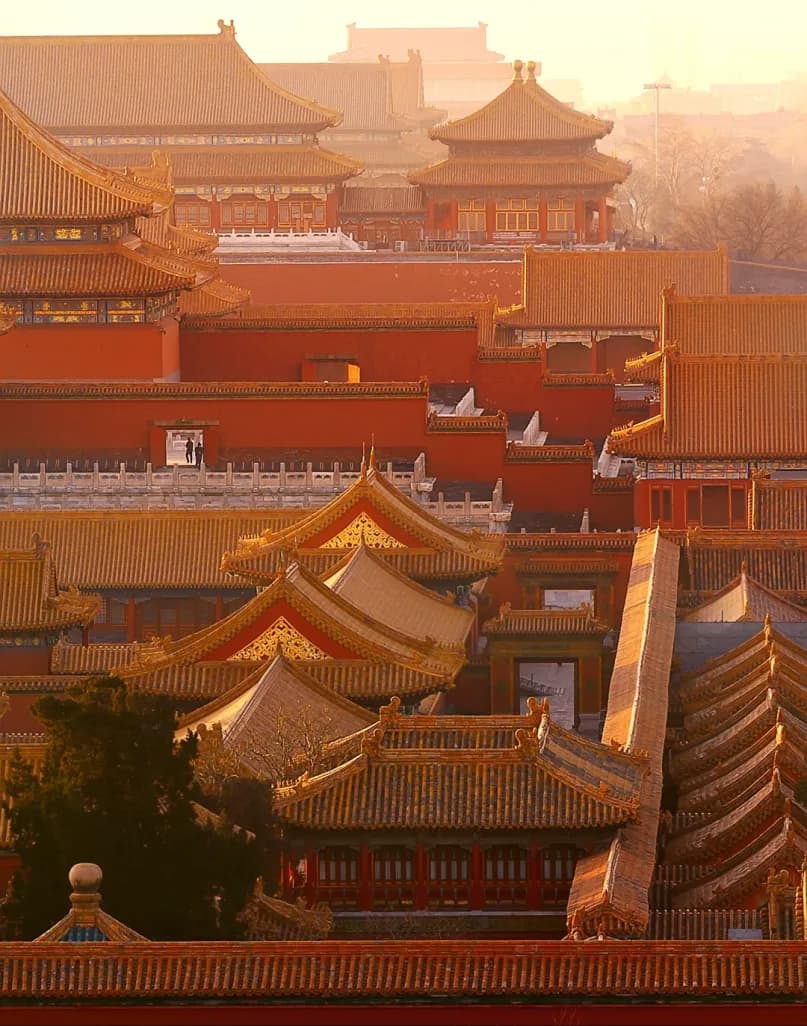
Beijing — Axes, Courtyards, One Wall Day
Plan three to four nights. Split the imperial core from hutong and neighborhood days so legs and attention recover.


- Day A: Forbidden City with a guide; Temple of Heaven or a park only if energy remains—do not stack Wall + Palace.
- Day B: Mutianyu or another Wall section with private transfer; return for a courtyard or hutong dinner.
- Day C: Hutong walk, craft or tea hour, optional 798 or a design-led neighborhood—leave blank space.
Stay central enough that evening meals are not another transfer project. For city context, see Beijing.
Xi’an — Empire Weight Without Rush
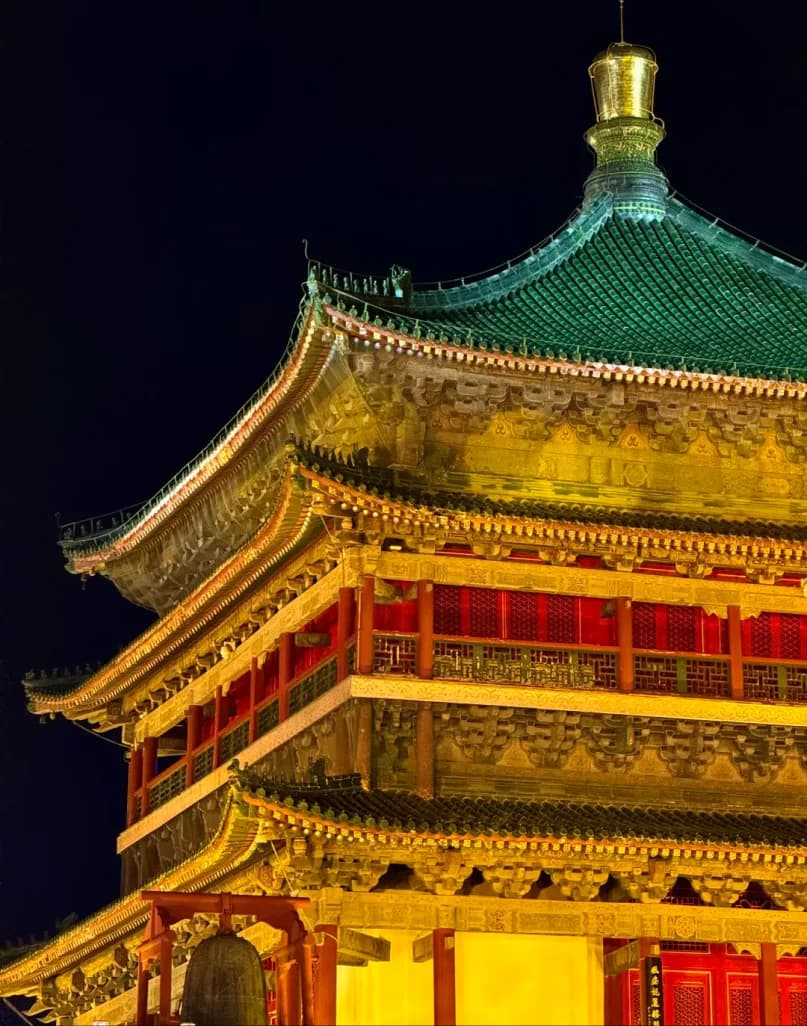
Two nights minimum if Terracotta Warriors are on the list; three if you want wall cycling, Muslim Quarter food, and a museum without sprinting.


Keep the Warriors on their own morning with early timing when possible. Pair wall or city texture on a separate day. Do not leave on a night train or flight the same evening as Pit 1 unless you accept fatigue.
Chengdu — Pandas, Tea, Calibrated Heat
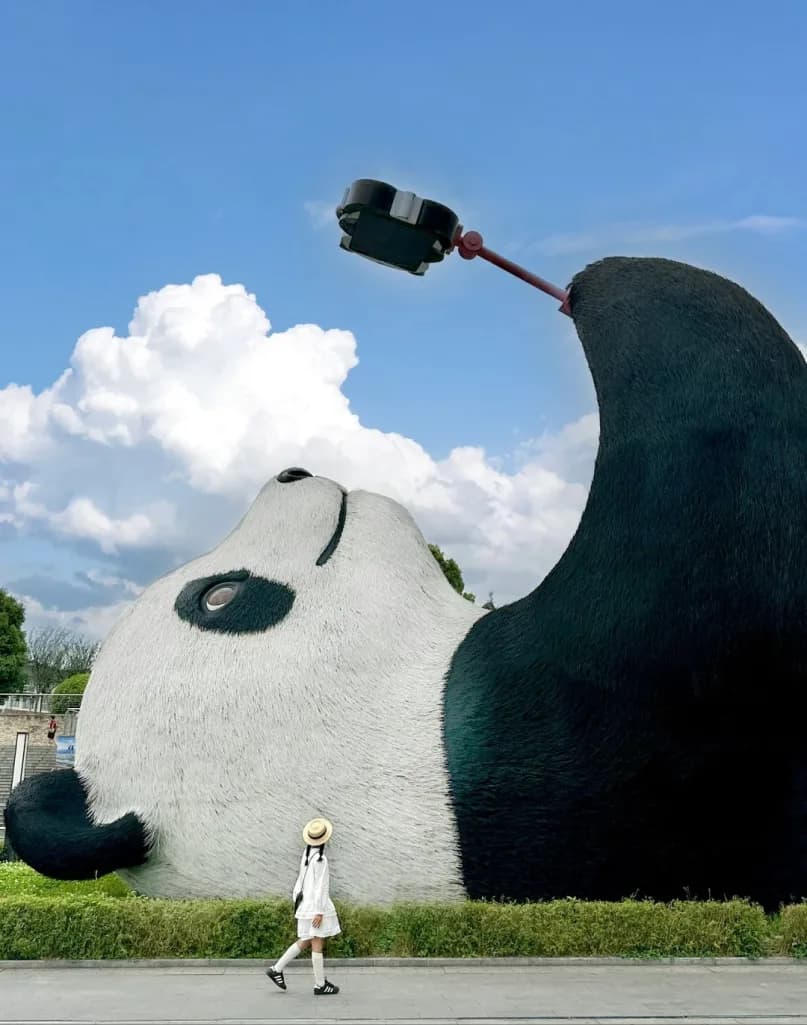
Two to three nights. Chengdu is where a luxury itinerary should slow: panda reserve at quieter hours, bamboo-chair tea, one serious Sichuan dinner calibrated to spice tolerance, optional Shu embroidery or craft stop.


Do not treat Chengdu as a single overnight between flights. The city’s value is tempo, not another checklist block.
Shanghai — Lanes, River, Contemporary Close
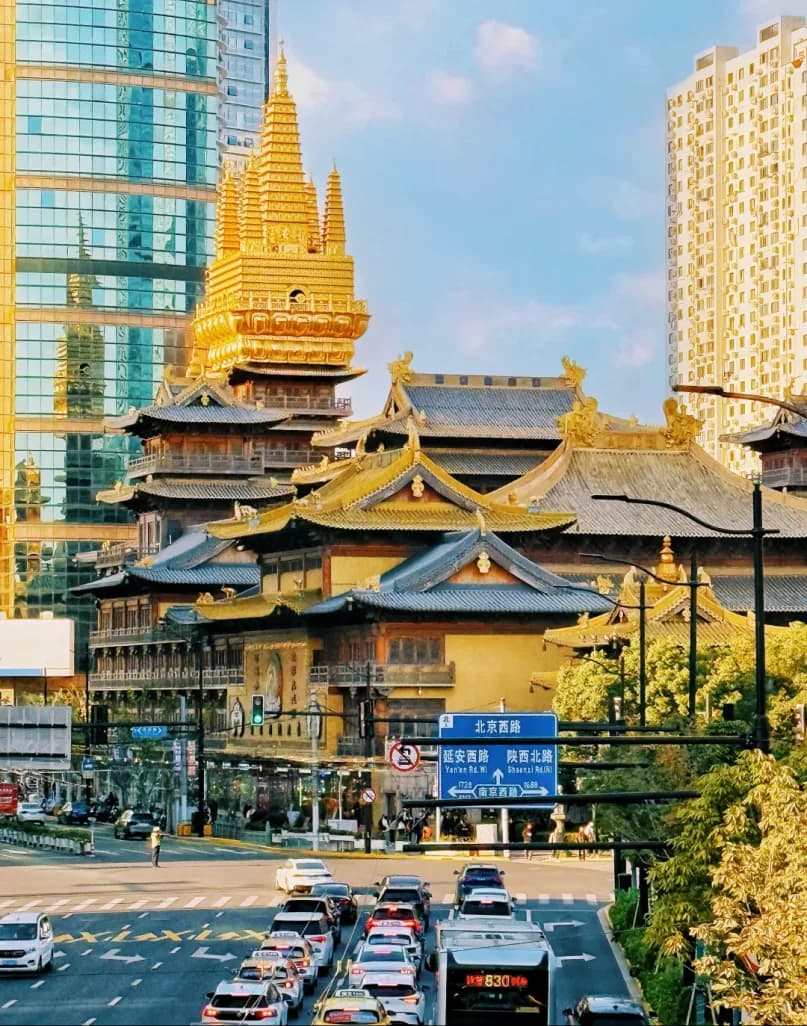
Three nights closes the arc well: Concession lanes by day, Huangpu light by night, one water-town or museum day if you want contrast. A sample week lives at our Shanghai 7D6N tour—edit rather than invent from zero. City overview: Shanghai.

The Logistics Layer That Makes It Feel Expensive


- Private vehicle in each city for door-to-door timing.
- High-speed rail in business class on mid-length legs; fly the long west–southwest hops.
- Same driver/guide language across a city stay; written day sheets you can revise the night before.
- Luggage assist on rail and air days so platforms do not become the memory.
Who This Skeleton Fits
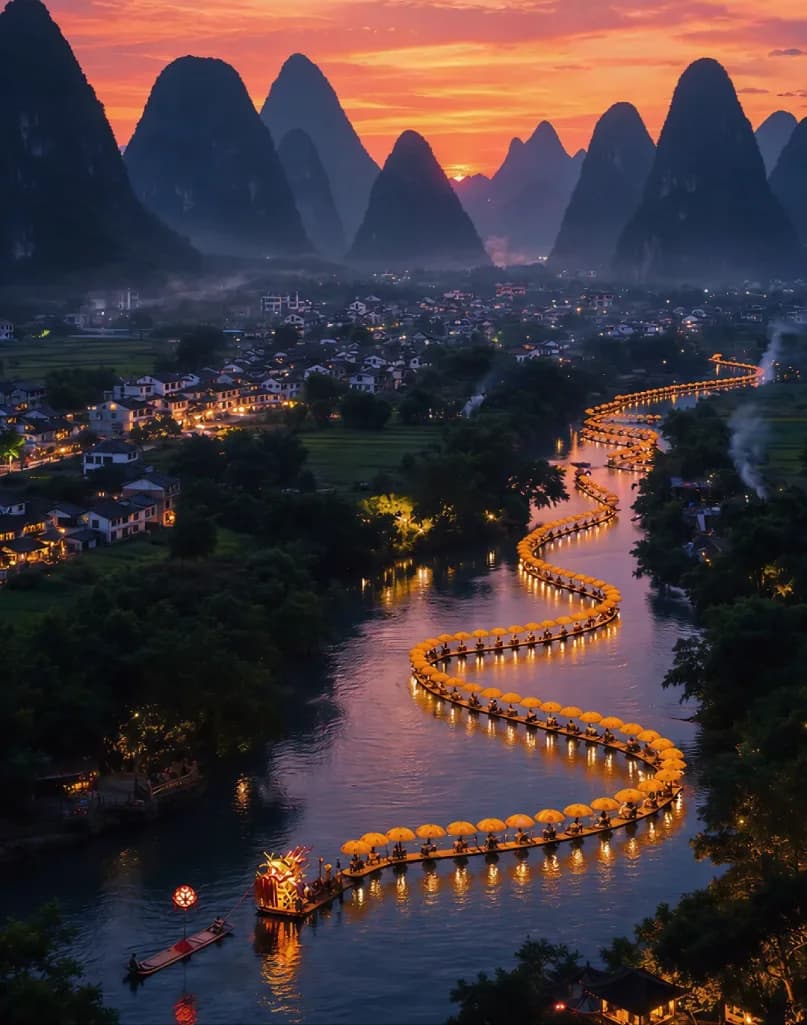
Couples and multi-generation families who want China readable in one trip; first-timers who refuse an eight-city dash; return travelers swapping Chengdu for Guilin or Yunnan. Ten days can hold Beijing–Xi’an–Shanghai if Chengdu waits for next time.
Share dates, party profile, and whether you lean dense or spacious. TravelToQin returns an editable framework—then hotels and reservations follow. Start at tailor-made or contact. For Silk Road or food-led variants, keep those as separate spines rather than bolting them onto this four-city week.