Terracotta Army Tour: Pit Order, Timing, What to Notice
A strong Terracotta Army tour starts with what you are actually looking at: an underground army for China’s First Emperor, built with modular craft at empire scale, shown today as a working archaeological museum east of Xi’an. Crowds are normal. Value comes from pit order, early timing, and interpretation that builds Pit 1’s scale first, then moves to detail—not from promises of an empty excavation hall. Do not stack a warrior day with a long evening flight.

What You Are Looking At—in Plain Terms
The figures are life-size terracotta soldiers, horses, and related forms, originally painted, set in formation pits. Faces and details vary; production used assembly logic with finishing that creates individuality. Much color has faded or flaked since excavation—when you spot pigment traces, linger. The site is about military organization and imperial afterlife belief as much as it is about “statues.”
Pit 1 is the vast infantry formation most people picture. Other pits and museum galleries add officers, chariots, and closer conservation views. If you only treat Pit 1 as a photo deck, you miss the craft and command-structure story.
Recommended On-Site Rhythm
Private cars help with the approach from Xi’an; they do not remove security checks or peak queues. A practical rhythm:
- Pit 1 first: take a wide read of ranks, then move to edges where faces and repair work are easier to see.
- Other pits next: use them for contrast—different unit types and spatial logic—rather than as obligatory checkboxes if energy is low.
- Museum / bronze and detail halls: kneeling archers, weapon reconstructions, and conservation exhibits explain what the pits only suggest at distance.

Plan about 2.5–3.5 hours on site, not counting the ride from central Xi’an. A guide decides what to skip when legs or patience thin. Special arrangements exist only when they are real (timing, tickets, guide access). They should never be sold as a private empty museum. Expert timing can ease crush at the worst rail corners; it cannot invent exclusivity inside a national-level site.
Timing, Crowds, and Body Limits
Arrive early when possible. Midday tour-bus waves are hardest for photography and for anyone who dislikes tight viewing rails. Summer heat in the halls and winter cold on walkways both punish under-dressing. If elders or children join, plan seated breaks and a shorter pit list—standing at rails is more tiring than the map suggests.
- State walking tolerance and knee issues before the day is designed.
- Ask about elevators and walking distances if mobility is limited.
- Carry water; eat a proper meal before or after in Xi’an.
- Follow no-touch and photography signs; phones and small cameras are enough.
Framing the Rest of the Xi’an Day
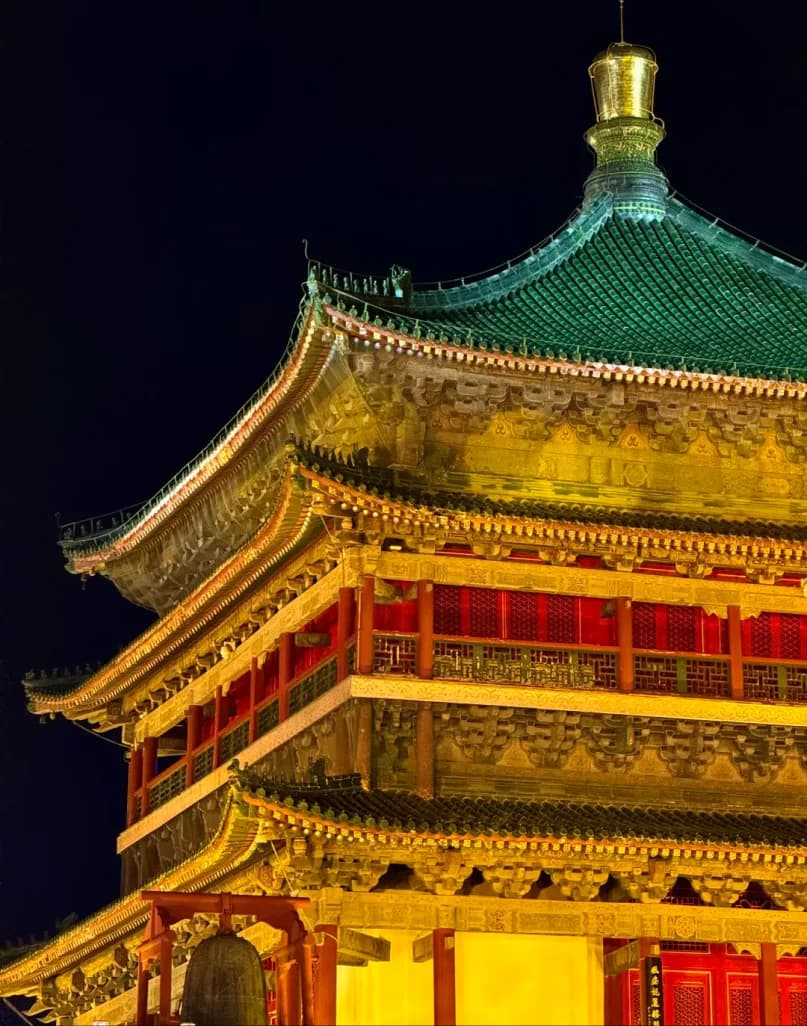
Before or after the pits: city-wall light, a recovery meal, or a quieter courtyard hour works better than stacking another major museum at full intensity. Do not force a full wall circuit or Muslim Quarter sprint into the same exhausted window. Place Xi’an inside a wider China spine with private China tour pacing when you continue to other cities. If modular craft fascinates you here, related curiosity across China also lives in traditional Chinese crafts.
High-speed rail travelers often do Xi’an as a one- or two-night stop. The Terracotta Army usually deserves its own half day without a same-morning arrival dash from another province if you can avoid it.
What to Tell Us Before We Build the Tour
- Travel month and whether you prefer early starts.
- Group ages and how long you can stand at rails.
- Interest mix: big formation views vs conservation detail halls.
- Whether the wall, Muslim Quarter food, or a quieter evening matters the same day.
We set interpretation depth and rest around real bodies. Start a tailor-made outline or contact TravelToQin with those constraints.