China Travel Etiquette: Temples, Photos, Public Space
China travel etiquette is mostly common sense applied to temples, museums, and shared public space: lower the volume, follow posted rules, and ask before close portraits. Most awkward moments come from skipping signs or consent—not from failing a costume test. These moves keep visits workable for you and for people who live and work in the places you photograph.
Temples and Ritual Rooms
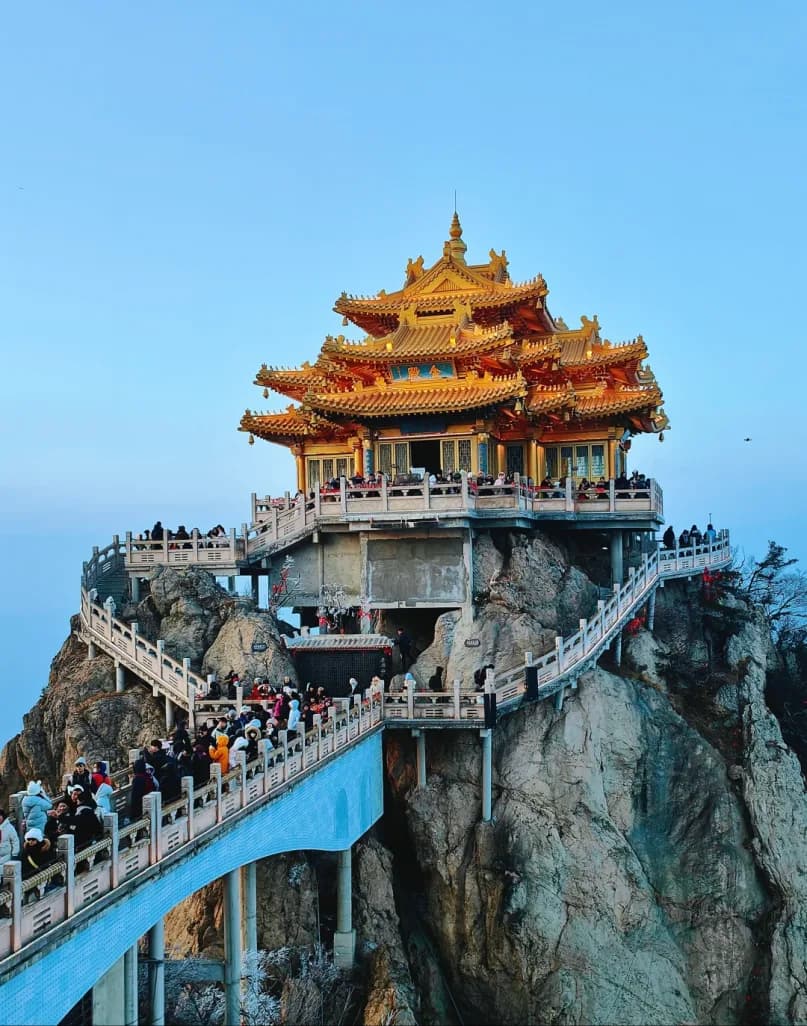
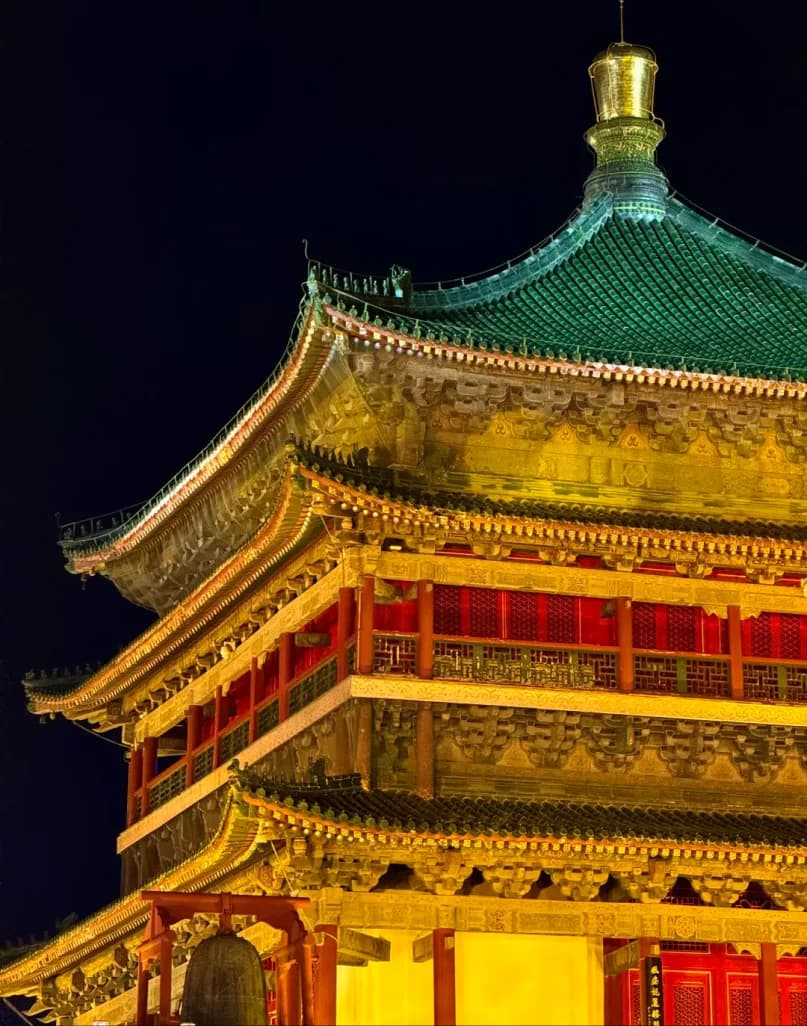
Dress with shoulders and knees in mind when advised. Follow photo bans and “no flash” signs. Some halls are for quiet observation only—do not climb on statues or block worshippers for a shot. Walk in the direction staff or signs indicate (often clockwise). Your guide’s job includes translating these cues; listen early, before you raise the camera.

Museums and Heritage Sites
Timed entry and steady pacing serve comprehension better than racing every gallery. Tripods and drones are often restricted. Quieter routes or special timing, when they exist, are about logistics and interpretation—not emptying a public site for private use. You buy guidance and a workable slot, not a cleared courtyard.

Photography and Consent
- Ask before close portraits of people at work, at home, or in minority villages
- Treat courtyard doorways and workshop benches as private until welcomed
- Follow local rules on drones and restricted zones; do not seek gray workarounds
Queues, Voices, and Small Courtesies
Stations and popular sites reward patience. Keep voices soft in enclosed ritual spaces. Accept help with a brief thank-you. On the subway, offer seats to elderly passengers when you can. These cost nothing and prevent friction—consent and volume are the cheapest travel insurance you carry.
Pair this with China dining etiquette for the table, and Beijing hutongs if your route includes residential lanes. For arrival-day soft rules, see first-time travel in China.