Where to Visit in China: Pick Two or Three Regions, Not a Wall Map
China Is Five Blocks, Not One Loop
The first trip to China usually arrives with a wall map and a list of "must-see" cities. The first edit most travelers need is to replace the map with regions. China splits cleanly into five regional blocks, and almost every two-week trip covers two of them. Trying to do three blocks in two weeks is the most common cause of a trip that feels like a bus ride with hotels attached.
The five blocks, roughly:
- North China. Beijing, with the Great Wall and the museums, plus day options toward Tianjin or Chengde.
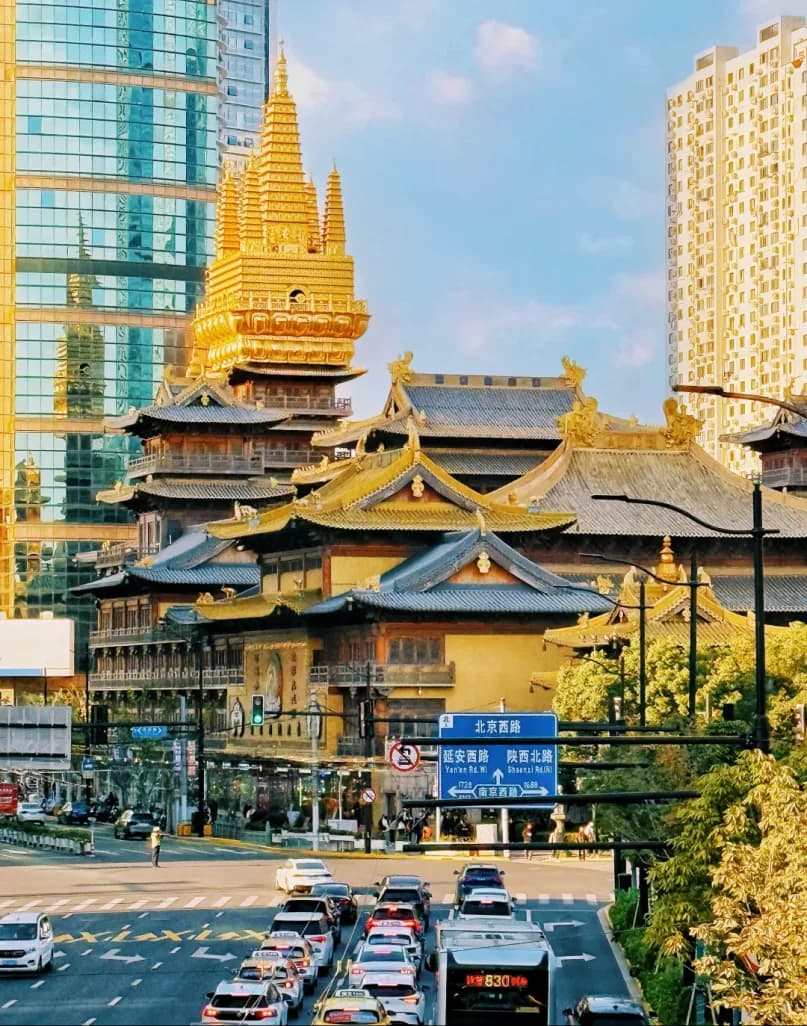
- Coastal cities. Shanghai, with day options toward Suzhou, Hangzhou, and the water towns. Hong Kong is a separate entry, not a coastal extension of Shanghai.
- Interior history. Xi'an and Luoyang, with the Terracotta Army, the Longmen Grottoes, and the history museum layer that Beijing and Shanghai do not carry.
- Karst and river country. Guilin and Yangshuo, with the Li River, the Longji terraces, and a slower pace than the cities.
- Peaks, plateau, and desert. Zhangjiajie, Huangshan, Jiuzhaigou, the Silk Road cities (Dunhuang, Turpan, Kashgar), and the Yunnan plateau. Each is its own trip; do not stack them.


The city-count math — how many nights in each block, how many transfers fit in two weeks — sits on the country tour page. The regional choice is this page.
Two Weeks Usually Means Two Blocks
Two weeks covers two blocks comfortably. Beijing plus the karst and river country (Guilin/Yangshuo) is one common pairing: four nights in the capital, four nights in the river country, plus the rail day between them. Beijing plus the interior history line (Xi'an) is the classic Golden Triangle pairing that the attractions page maps. Shanghai plus Hangzhou or Suzhou is the coastal pair for travelers who want less driving and more walking.


The block you leave out is the one most travelers regret. Trying to cover three blocks in two weeks eats a transfer day on both ends and leaves every block feeling thin. Adding a third block to a two-week trip is the move that usually justifies a third week, not more days crammed into the same window.
Two variables change the block choice before you book flights:
- Season. Beijing in winter is a different trip from Beijing in autumn. Harbin is winter only. The China season page covers what each region feels like month by month. The late-April page covers the spring window specifically.
- Public holidays. National Day Golden Week, the May Day window, and Spring Festival shift the calculus. The holidays page covers what changes.
When to Cut the Third Region
The third region gets cut when any of these are true:
- Travelers in the party are over 70 or under 12. Pace matters more than coverage. Two blocks at a slower pace beat three blocks on a bus.
- The trip is the first visit. First-time travelers usually benefit more from depth in Beijing or the karst country than from a sweep that touches three blocks.
- Flights are already locked. If entry and exit cities are fixed, the regions between them are the trip. Working backward from the air booking is more reliable than working forward from a wish list.
The product lines that map to two blocks well:
- Beijing four-night for the North China block.
- Guilin four-night for the karst block, on the tours page.
- Zhangjiajie five-night for the peaks block.
- Sanya five-night for a Hainan break, which is its own category — beach, not the five blocks above.

What TravelToQin Can Help With
The two-block shape is the standard private trip. Three-block trips get built as custom. The decision usually comes down to night count, party age, and the cities you refuse to drop. Send those three numbers; we send back a region pair and the day shape that fits.
Public holidays follow the State Council notice for the year. Flight, hotel, and venue availability follow the standard booking calendar, with the holiday shifts called out when they apply. We do not promise open slots on holiday weeks, and we do not run three-block trips on two-week windows without flagging the pace.