China Tourist Attractions: Pick Experience Modules, Not a Top-10 Checklist
China tourist attractions are usually sold as a Top 10. The list puts the Great Wall, a karst river, sandstone pillars, and a panda base in one row, then implies two weeks can hold all of them. That is a packing error. This page helps you pick experience types. Choosing cities comes after you know which kinds of days you actually want.
Use this as a module map, then go deep on one module at a time. For season windows, keep best time to visit China open.
Attractions Versus Cities
An attraction module is a kind of day: wall walking, imperial axis, garden rooms, karst water, sandstone peaks, mountain steps, pandas, or ice festivals. A city is where you sleep. Confusing the two produces itineraries that change hotels every night to “collect” names.

Eight Experience Modules
- Great Wall walking: half to full day, section choice matters. Start with Mutianyu Great Wall or hiking the Great Wall of China. A Beijing stay such as Beijing 5D4N can hold one Wall day without adding a second section.
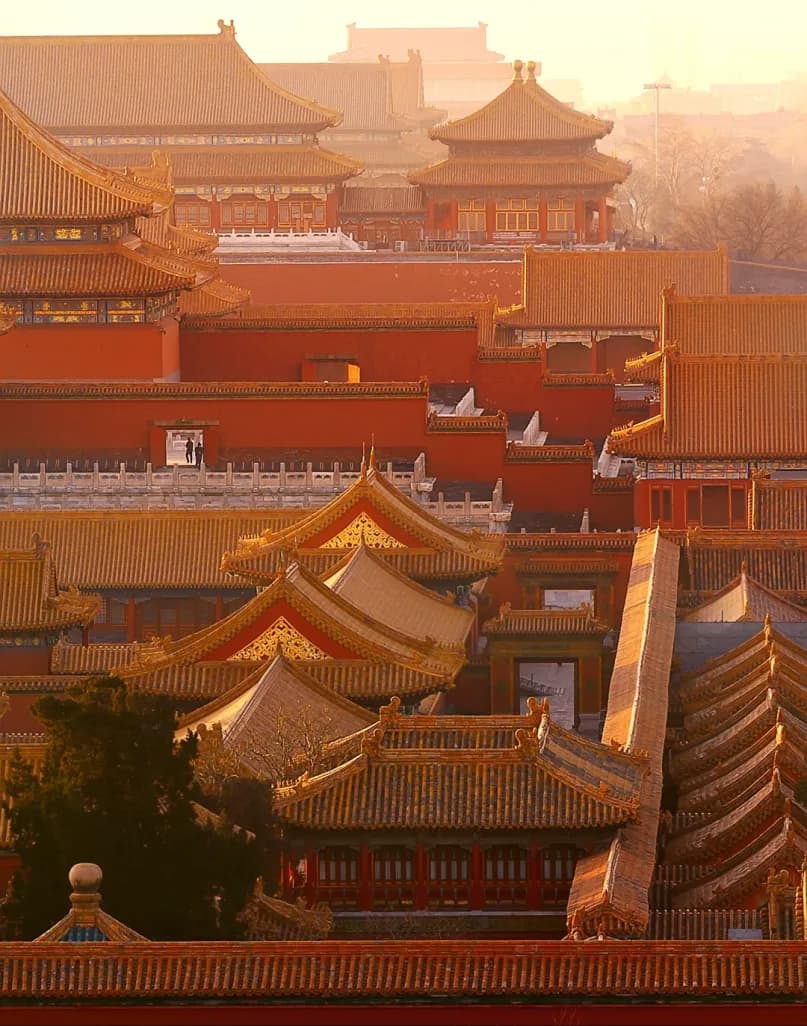
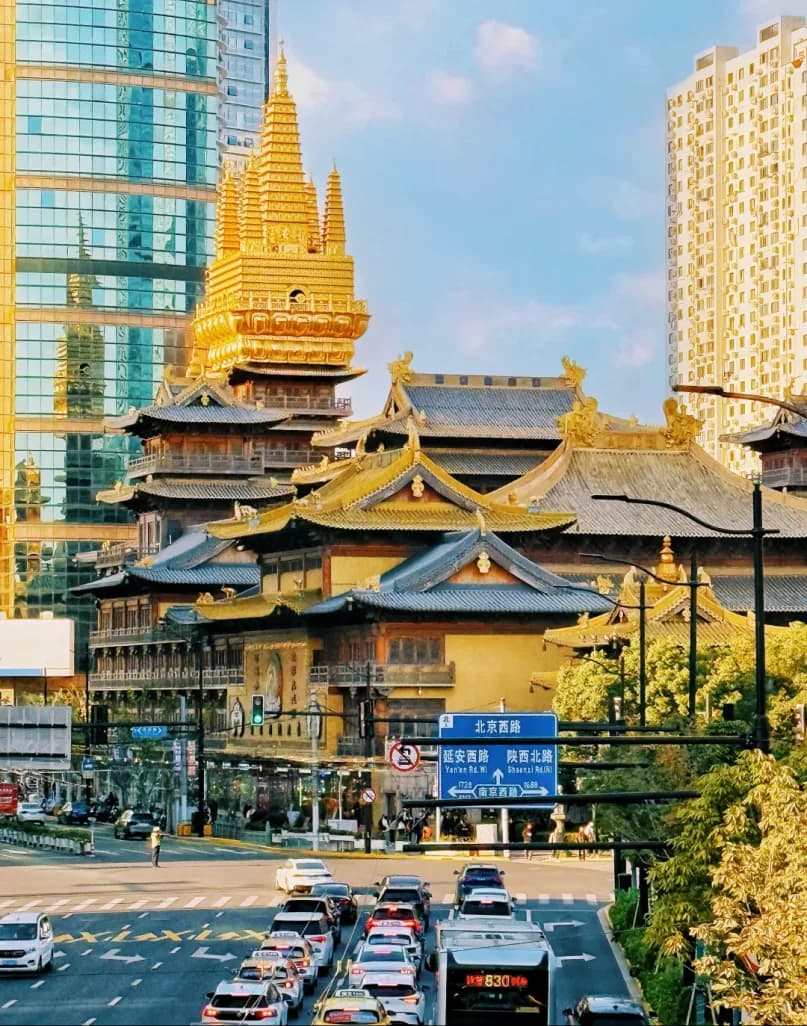
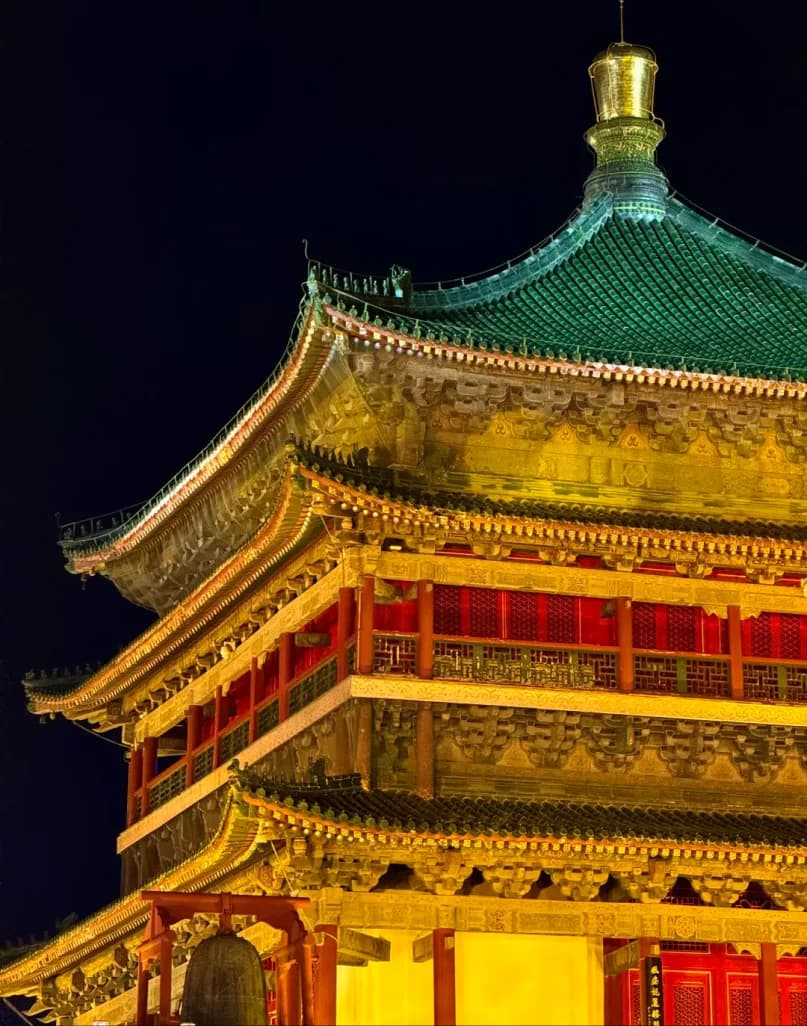
- Imperial axis: Forbidden City, temple, or city-wall days in Beijing or Xi'an. These are ticketed, walking, and security-heavy. Pair with Terracotta Warriors tickets if Xi'an is in the trip.

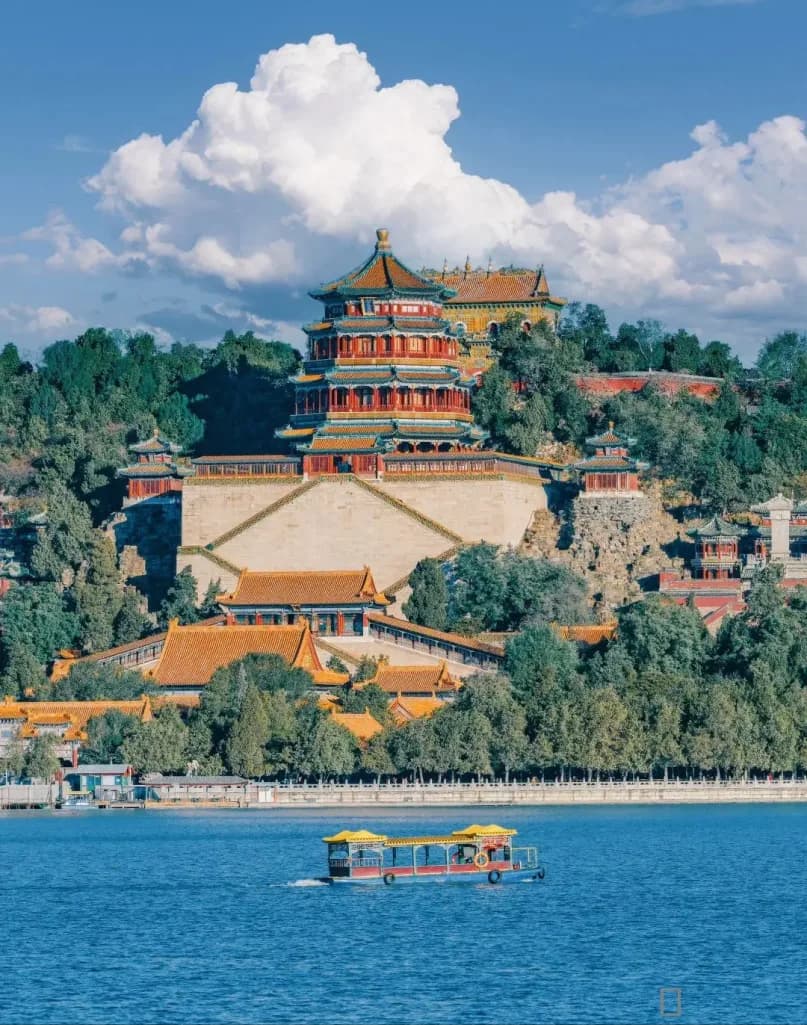
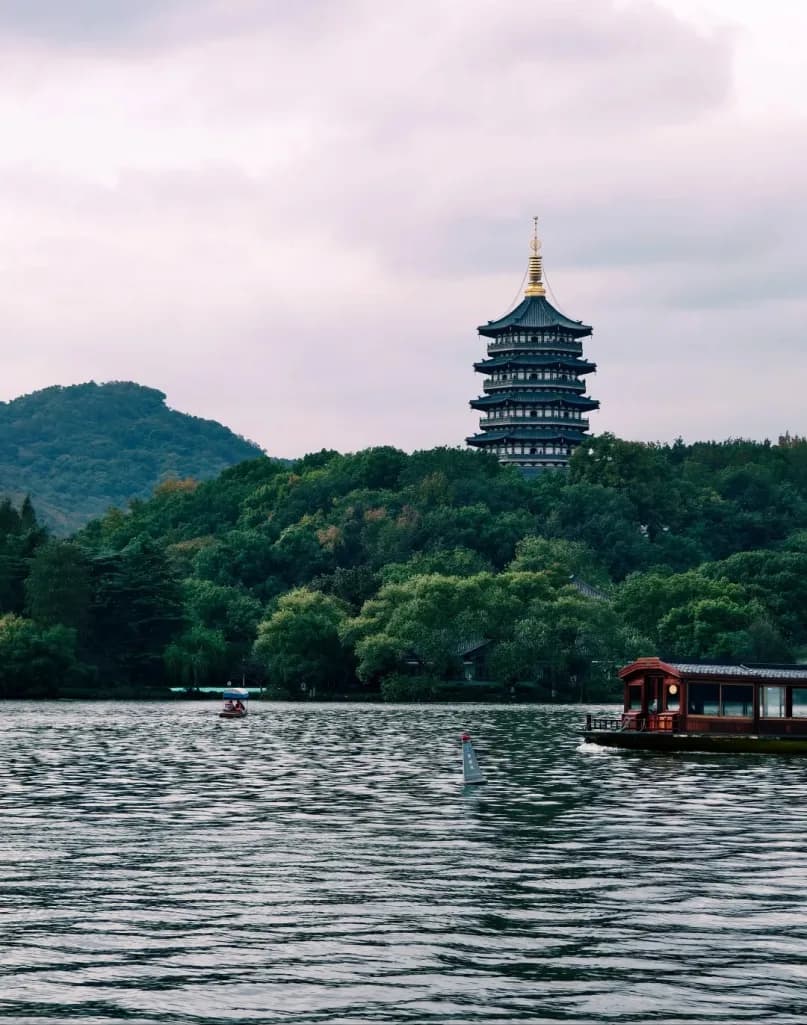
- Classical gardens: Suzhou is the usual first stop. See Suzhou China gardens and the craft frame in classical Chinese gardens.

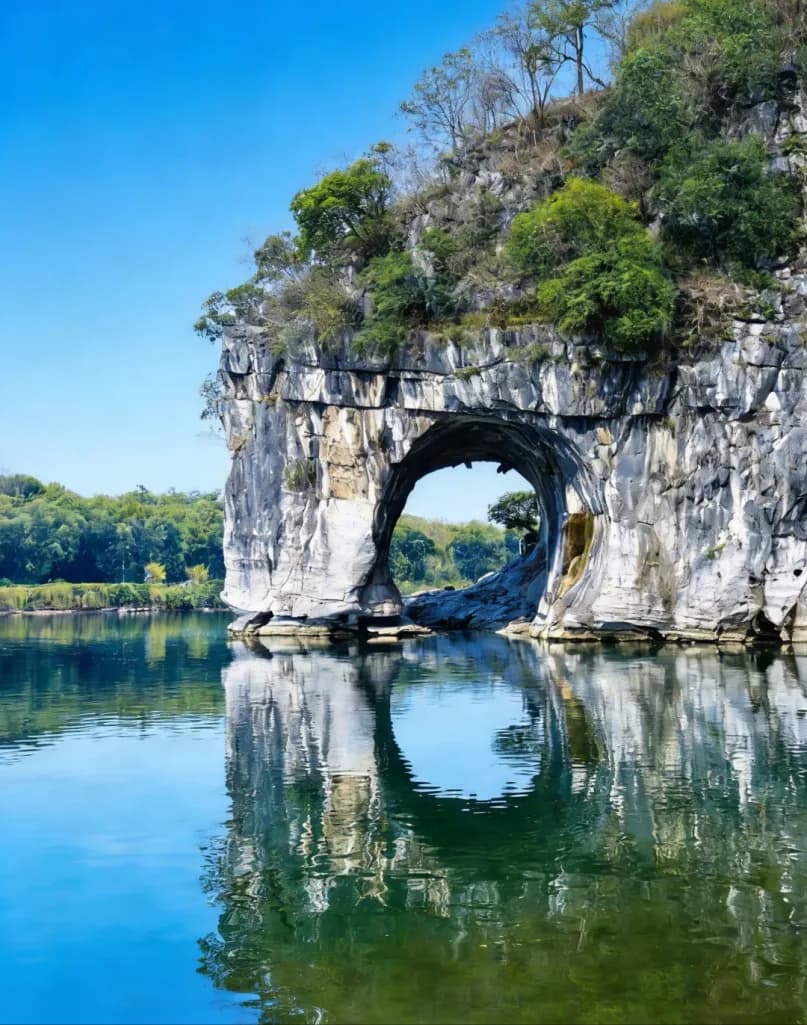
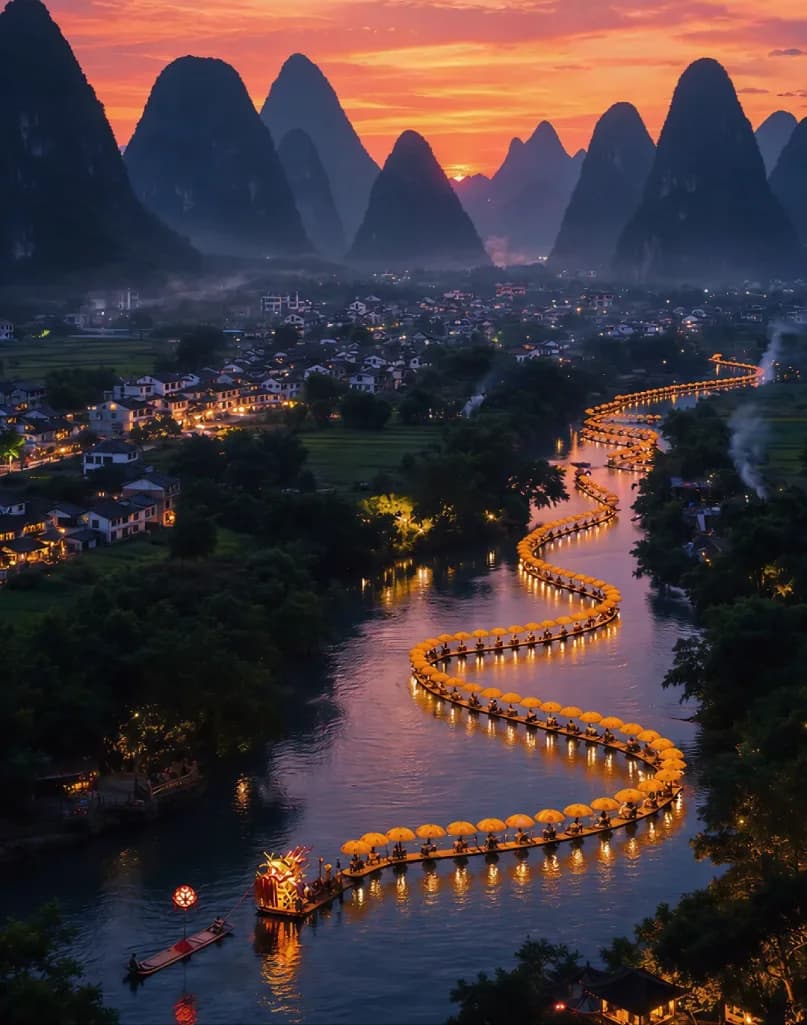
- Karst river and village: Guilin, Yangshuo, Longji. Needs water, weather, and rural walking time. Guilin private tour is the city-level next step.

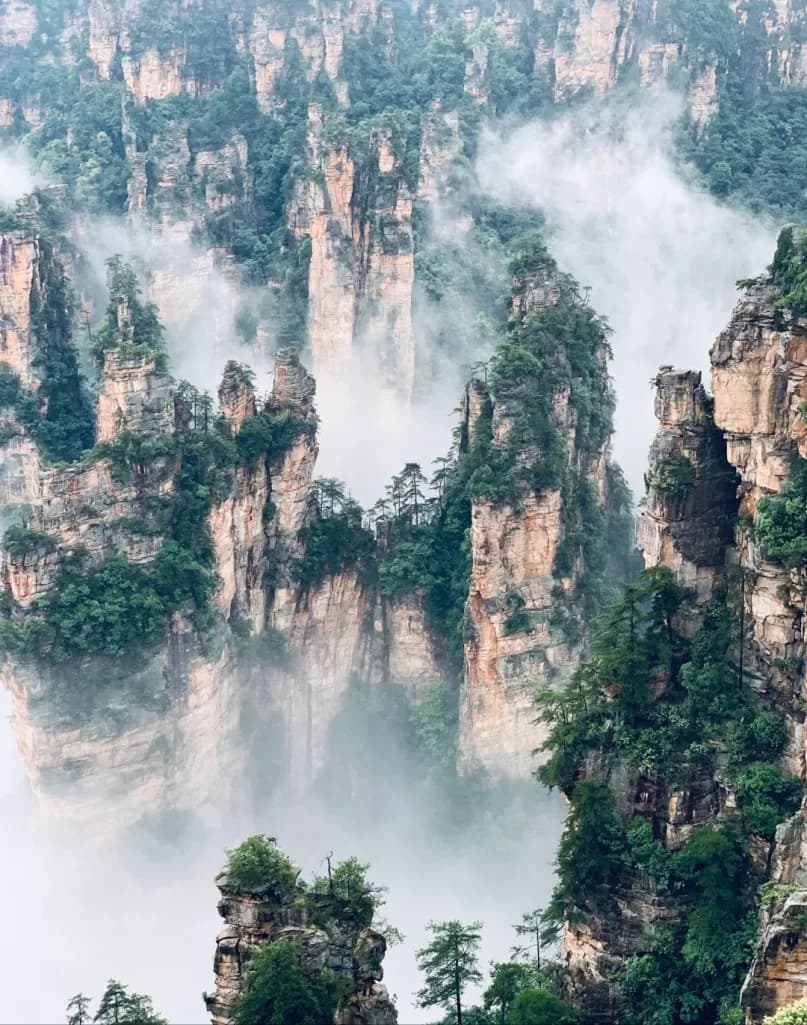
- Sandstone peaks: Zhangjiajie. Treat it as its own region, not a day trip from anywhere famous. Do not stack it with Guilin on a first two-week trip.
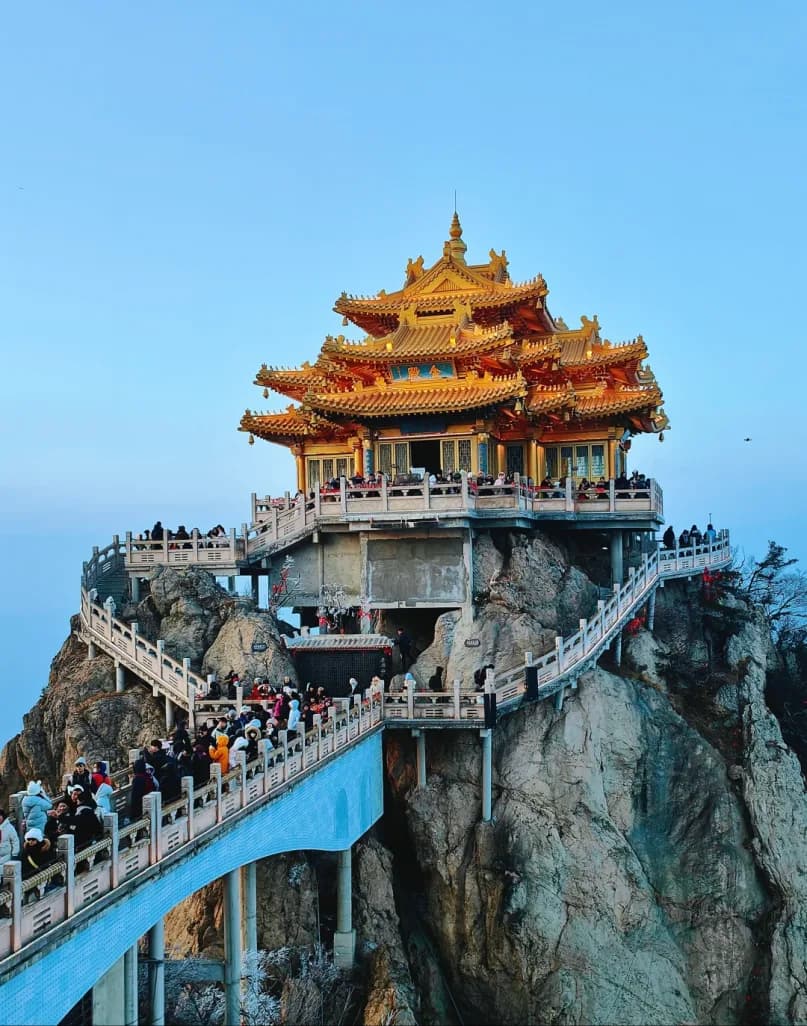
- Granite mountain and cloud steps: Huangshan. Similar warning: it consumes legs and weather margin.
- Pandas and Sichuan pace: pick one base. Use where to see pandas in China, then the Chengdu half-day logic in Chengdu panda experience.
- Winter ice and snow: Harbin is a seasonal module, not a year-round checkbox. Read Harbin Ice and Snow Festival before you buy down jackets for July dates.
These eight types are an editorial map, not an official tourism board classification.
One Main Module Per Week
For a first trip of about 14 days, plan two main modules and one lighter side module. Write transfer days on the calendar. A Wall week plus a karst week already fills the box. Adding Zhangjiajie “because it is famous” usually steals sleep.
Three-week trips can add a third region if you cut duplicate landscapes. See China itinerary 3 weeks and China itinerary 2 weeks for spines, not for stuffing extra names.
Match Modules to the Party
- Elders: gardens, lake cities, shorter Wall sections, panda mornings with vehicle support.
- Children: pandas, one Wall with a toboggan or cable, food cities; skip two mountain regions.
- Heat-sensitive travelers: avoid stacked outdoor modules in July and August.
- Crowd-averse travelers: skip Golden Week and do not attempt the city panda base plus Mutianyu on adjacent holiday weekends.
What Top-10 Lists Get Wrong
They ignore transfer time, ticket systems, and weather. They mix a two-hour garden with a three-day mountain park. They sell “China” as a checklist you fail if one name is missing.
TravelToQin plans private ground for your party only. We can sequence modules, hold luggage on hotel-change days, and keep a backup indoor block. Attraction opening hours, cableways, and park tickets remain official and operator decisions.
Four Yes/No Questions
- Which two modules would you regret skipping?
- How many hotel changes are too many?
- Is this trip in a Chinese public holiday?
- Does anyone in the party have a hard walking or stair limit?
Answer those before you open another Top 10. Turning modules into a city sequence is how to plan a trip to China. If you want dates, send the two modules through contact.